Universidad 2026 #Research Article
UNIVERSIDAD 2026 – Global Alliances
UNIVERSITAS 21 – TEC DE MONTERREY
By Ignacio de la Vega
Vice President for Global Affairs and PrepaTec
Tecnológico de Monterrey Educational Group
International Networks and Alliances: A Key Pillar of Tecnológico de Monterrey’s Internationalization Strategy
Abstract
Internationalization has become an essential strategic axis in contemporary higher education. Beyond academic mobility, a holistic internationalization strategy is a fundamental tool to support institutional mission, the impact of educational and student‑life models, and the social value generated by universities. Within such a strategy, active, selective and strategic participation in networks, alongside the creation of new ones, is a central element for collaboration, positioning and institutional impact.
This article examines the internationalization strategy of Tecnológico de Monterrey, with particular emphasis on the impact of its membership and leadership in global networks, especially Universitas 21 and La Tríada. It also shows how internationalization has been part of the institution’s identity since its founding and describes the successive stages of internationalization across our Educational Group.
Introduction
Higher education is undergoing a profound transformation. Our societies have never before experienced such rapid change, nor challenges as complex and systemic as those we face today: climate change, economic inequality, threats to democracy and the impacts of artificial intelligence are redefining the future of work, knowledge and social life. In this context, the internationalization of higher education has consolidated itself as an essential driver of institutional transformation.
Internationalization is no longer limited to academic mobility or the shared production and exchange of knowledge. It is understood instead as an integral process that redefines the mission and purpose of universities, connecting them with efforts to offer, even if only partial, solutions to major global challenges. Universities are not only experiencing these shifts first‑hand; they are also responsible for responding to them. Their ability to do so depends on their openness to the world and their capacity to collaborate, coordinate and lead in both local and global contexts.
In this scenario, internationalization becomes a strategic pillar to expand and amplify universities’ capacity for impact. Through international collaboration – via alliances, networks, mobility and joint projects – academic institutions attract international talent in the form of students, faculty, researchers and staff, generate transformative knowledge and promote intercultural learning and exchange. They also open up opportunities for academic programs, collaborative research, and spaces for dialogue, innovation and creation. In doing so, universities strengthen their ability to respond, enrich the education of their communities, help solve relevant problems through research and position themselves as key actors in academic diplomacy.
Given the urgency of today’s context, it is more imperative than ever to build bridges between institutions, cultures and countries to construct shared knowledge and confront global challenges collectively.
After more than eight decades of impact, Tecnológico de Monterrey has positioned itself as a pioneering institution in Latin America, with a prominent contribution to the creation of international spaces for collaboration and to innovation in educational models and the use of technology in the classroom. Since its founding, Tec has understood that knowledge and talent transcend borders and that learning is enriched through interaction between cultures, disciplines and perspectives. Internationalization has therefore been a structural component of our institutional DNA, a guiding thread that has allowed for continuous evolution and a growing educational impact on high school, undergraduate and graduate students, as well as organically within a connected, collaborative faculty community.
Leadership in Global Networks and Alliances and Its Impact on Institutional Positioning
In recent decades, our presence in international academic networks has evolved from opportunistic to strategic. Joining a given network is a deliberate institutional decision that brings with it multiple benefits and responsibilities. This type of engagement goes beyond the individual interests of each member institution and generates a collective commitment to strengthening the university system as a whole.
Tecnológico de Monterrey stands out for its institutional presence in global academic networks and strategic alliances. As early as 1992, it joined the Centro Interuniversitario de Desarrollo (CINDA). Today, its active membership and leadership in networks such as Universitas 21 (U21), the European Consortium of Innovative Universities (ECIU), the Asia Pacific Rim Universities (APRU), the World Universities Network (WUN) and La Tríada constitute the core group of global networks and alliances with the greatest activity and highest impact on Tec’s own internationalization strategy.
Beyond institutional‑level collaboration, the various Schools and Research Institutes maintain a very active presence in collaboration networks and disciplinary consortia. In 2024, Tec’s School of Government became an official member of APSIA (Association of Professional Schools of International Affairs), making it the first Latin American graduate school admitted into this global association of leading public policy schools. EGADE Business School holds the “triple crown” of international accreditations (AACSB, EQUIS and AMBA) and is a founding member of the prestigious Global Network for Advanced Management (GNAM). For its part, the School of Engineering and Sciences (EIC) belongs to the Global Engineering Deans Council (GEDC), which promotes quality, innovation and leadership in engineering, and to the American Society for Engineering Education (ASEE), a body with a strong focus on the United States. Other Schools within our institution are also highly active in the field of international collaboration.
These international alliances create channels for student and faculty exchange and reinforce Tec’s global reputation as an institution with a strong international leadership vocation. The activity arising from membership in relevant academic networks and bilateral collaborations has multiplied cooperation opportunities in teaching, research, innovation and sustainable development. It has also enabled our institution to evolve from a relevant regional player into a global protagonist.
The Impact of Membership in U21
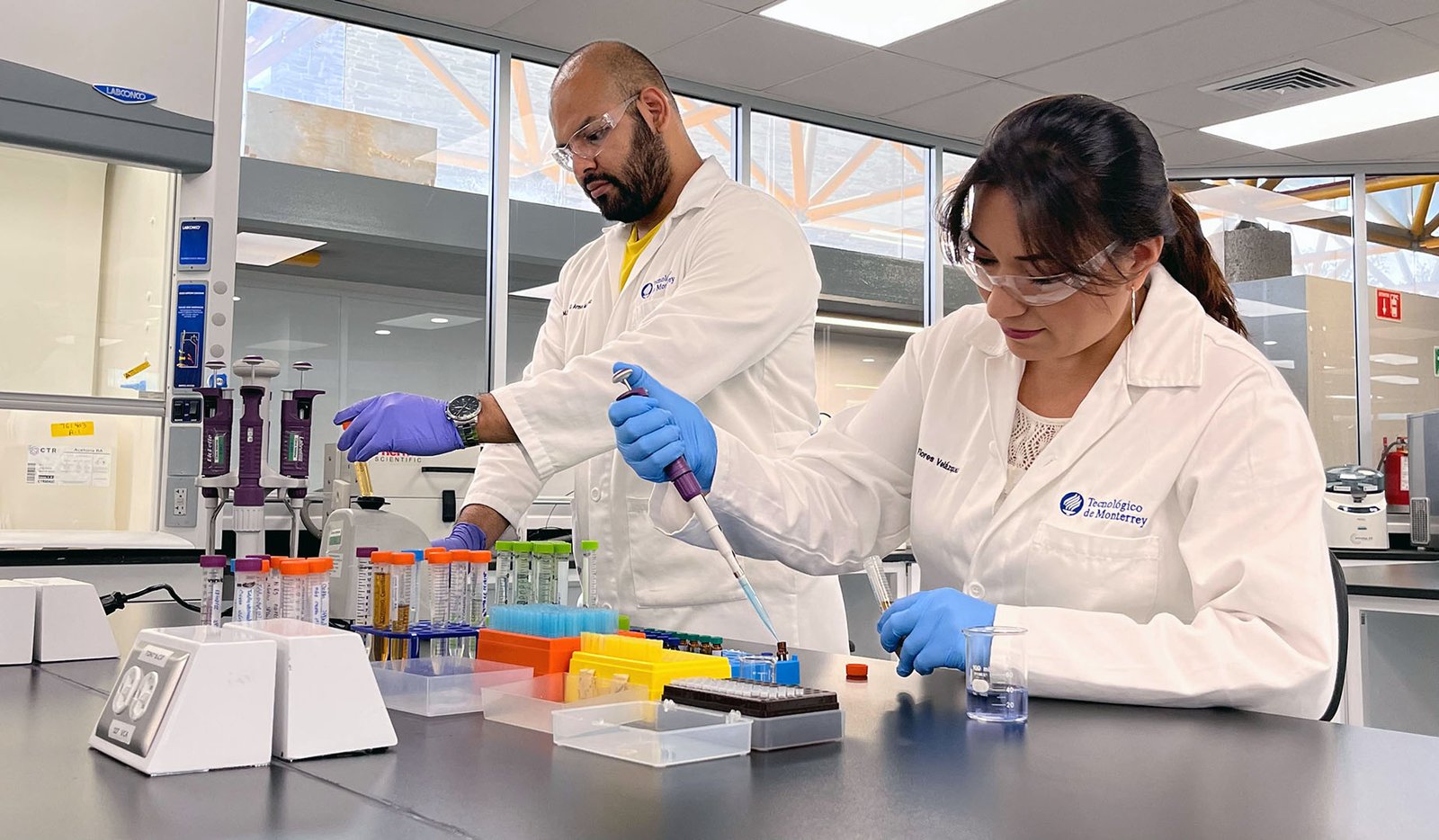
Universitas 21 (U21) is a diverse global network that brings together leading universities worldwide, with a strong research focus on six continents and a shared belief in the value of collaboration and internationalization. Tecnológico de Monterrey’s participation in U21, which it joined in 2006, has been highly significant and has provided the opportunity to collaborate with universities that have enormous impact in research, an area in which Tec continues to advance in order to increase its scientific output, doctoral programs and global impact.
Universities that form part of U21 are present on every continent. Admission to the network is a collegial process in which candidate institutions are thoroughly evaluated across various indicators. All candidates must be nominated by an active member and approved unanimously by the executive committee. The evaluation includes aspects such as size, geographical location, research contributions and infrastructure, performance in national, regional and international rankings, activity and commitment to the United Nations Sustainable Development Goals, and levels of innovation and entrepreneurship, among other key characteristics. A crucial element is understanding the specific value that a potential member brings to the network, identifying one or more areas of outstanding excellence.
For our entry into the network, we were nominated by our Canadian partner, the University of British Columbia (UBC), which had collaborated with us over many years in teaching innovation and recognized the potential value of our contributions in this and other fields. Tec thus became the first Latin American university admitted to this important group.
Sharing common objectives and outstanding talent in complementary areas has allowed us to build connections with 29 leading universities in their respective regions, all committed to a shared collaboration project. The alignment and potential impact generated by belonging to a network like U21 amplifies other bilateral relationships that Tecnológico de Monterrey develops. The effect on our students, academic body, research output and strategic collaboration areas has been considerable, expanding our reach and positioning and multiplying our influence as a Latin American university.
Since being accepted into U21 in 2006, Tecnológico de Monterrey has hosted various events and working groups at its Guadalajara, Monterrey, Santa Fe and Estado de México campuses, welcoming U21 partners and contributing to our goal of bringing Tec closer to the world. In addition to our role as hosts for many events, we have actively participated in the network’s governance and representative groups. For example, we were among the founders of the Educational Innovation Cluster in 2007, served on the Student Experience Steering Group from 2015 to 2017, and were part of the Researchers’ Steering Group between 2020 and 2023. We have chaired the Health Sciences Group on two occasions and were responsible for its secretariat from 2010 to 2012.
A particularly relevant contribution to U21 has been led by the Institute for the Future of Education (IFE), a research center that brings together experts in pedagogical and didactic models and designs cutting‑edge educational approaches, tools and technologies, including our own Tec21 Educational Model. IFE shares its advances, projects and programs with U21 universities, and our partners in the network recognize Tec’s leadership, viewing the institution as a global benchmark in educational innovation.
Another example of impact is the 2022 U21 Award granted to Tecnológico de Monterrey for the Global Shared Learning (GSL) initiative, which highlights one of the most important values of both the institution and the network: collaboration. More recently, our Executive President, David Garza, was appointed President of U21, becoming the first Latin American to hold this position in a network largely composed of Anglophone universities that had historically maintained its leadership.
New Regional Alliances and Their Impact: La Tríada
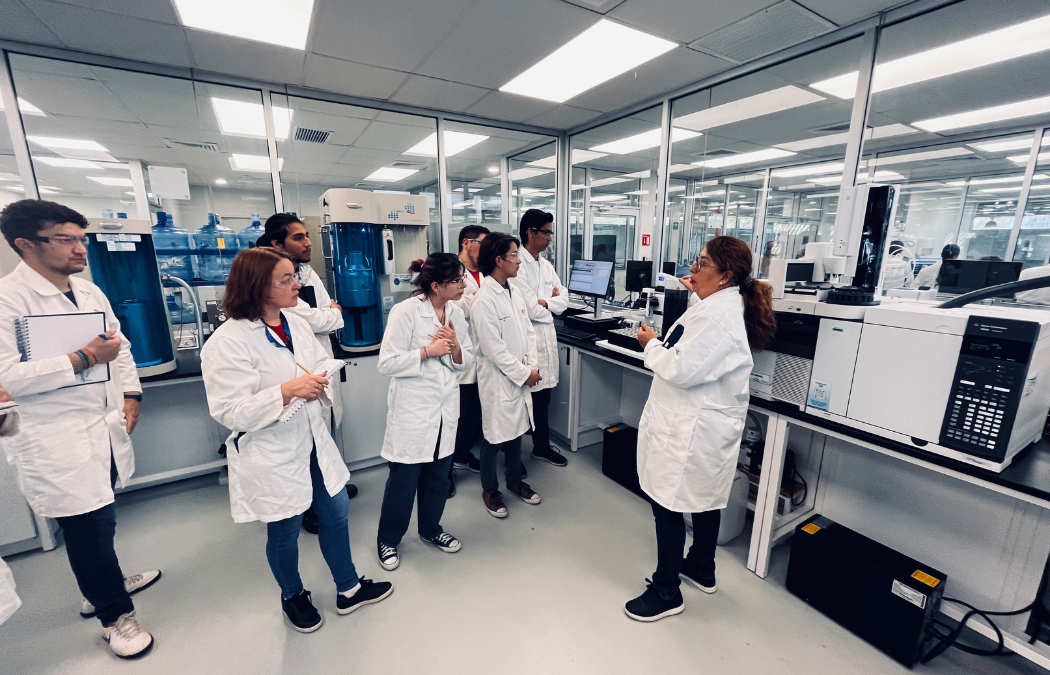
In the field of multilateral alliances in Latin America, Tec has been particularly active in creating partnerships with relevant regional peers. In this context, La Tríada was created in 2018 as an alliance between three leading private universities in Latin America: Tecnológico de Monterrey, Pontificia Universidad Católica de Chile and Universidad de los Andes (Colombia). The alliance was founded with clear objectives: to drive academic and research collaboration, share best practices, combat poverty and regional inequality, increase student and faculty mobility, and become a strong collective voice for Latin America.
Rather than competing for prestige or individual positioning, the three universities chose to collaborate strategically in order to expand impact, share capabilities and generate collective value for their communities and for the region. Seven years later, La Tríada has established itself as a success story in university cooperation, with more than 95 active projects and initiatives in areas that include artificial intelligence in education, educational innovation, early childhood, research and sustainability, among others.
Joint work has made it possible to integrate knowledge from multiple disciplines and, on that basis, propose interdisciplinary solutions to complex regional problems. The alliance has fueled creation, innovation and research through initiatives such as Novus La Tríada, which promotes educational innovation and strengthens academic communities through competitive project funding. It has also invested heavily in leadership development and talent formation, exemplified by the Early Childhood Policy Certificate in Latin America, designed jointly by the three universities to influence public policies that improve quality of life in early childhood, and by the student program Transforma e Impacta, which in its five years of existence has welcomed more than 300 participants and aims to develop transformative leadership competencies in new generations.
La Tríada also serves as a platform for collaboration and connection to share practices and experiences, from tripartite working groups that coordinate sustainability initiatives on campuses to joint participation in international forums such as COP30. These collaborative projects reinforce the alliance’s aim of advancing a strategic vision to 2030, focused on promoting Latin American development through increasingly strategic and visible collaboration capable of articulating capacities, multiplying impacts and bringing knowledge closer to society, with education as the engine of transformation.
The Impact of Strategic Bilateral Projects
Beyond U21 and La Tríada, and across different regions, Tecnológico de Monterrey has also built relationships with prestigious institutions for a variety of purposes. Among the specific examples, Tec participates in the MIT AI Policy Forum and maintains a reciprocal presence in Nano Labs alongside MIT (United States) and Oxford (United Kingdom).
In 2024, a new collaboration began in health research with the Ragon Institute, a leading immunology research institute created through the partnership of MIT, Harvard and Massachusetts General Hospital. Through this agreement, the institutions are developing joint doctoral studies, academic exchange programs and collaborative research projects in order to expand cutting‑edge research on the immune system into Latin America.
Tecnológico de Monterrey also maintains a deep relationship with the University of Texas at Austin (UT Austin) to drive internationalization, research and student development. Both institutions promote bilateral collaboration to address major global challenges in health, technology and society. A standout initiative is the OriGen Health Research Center (OHRC), based at UT Austin, which brings together the strengths of both universities to improve the health and well‑being of Latino populations in the United States and the Americas, particularly in relation to metabolic diseases such as diabetes, obesity, cardiovascular diseases and certain types of cancer.
A similar case is the strategic collaboration with Arizona State University, where, among other projects, work is underway on the ambitious Blue Frontier Research Campus (BFRC), focused on sustainability and climate resilience in the Sea of Cortez.
The Role of Internationalization at Tecnológico de Monterrey: A Long History of Global Vision
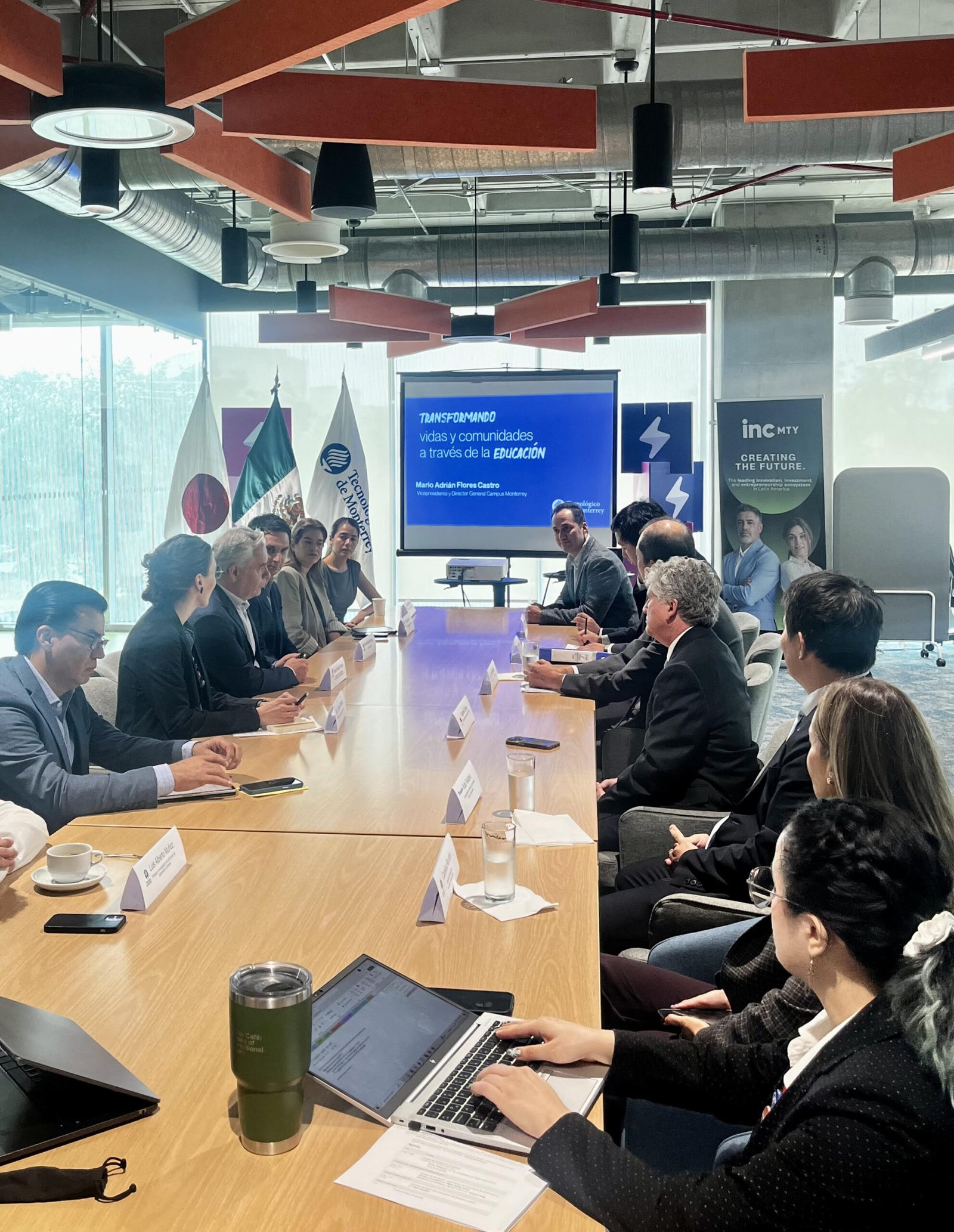
Since its founding in 1943, Tecnológico de Monterrey has progressively incorporated internationalization as a strategic component and one of the central pillars of its educational project. This foundational vision and its early connection with international models marked the beginning of a trajectory that would eventually become a global institutional strategy. Tec understood that its educational purpose – to develop leaders with an entrepreneurial spirit, humanistic outlook and global competitiveness – could only be achieved through an outward‑looking vision grounded in collaboration, innovation and cultural diversity.
In 1947, the first exchange program was carried out with Louisiana State University, and the first visiting professors from abroad were hired. In 1948, Tec became the first Mexican institution to offer intensive summer courses in English for foreign students, attracting hundreds of students from the United States and laying the foundations for incoming mobility that would grow exponentially over time.
In the second half of the twentieth century, Tec was particularly active in seeking global connections. In 1950, it became the first non‑U.S. university to obtain accreditation from the Southern Association of Colleges and Schools (SACS, now SACSCOC) in the United States, and it established academic alliances with top universities around the world to boost exchange and joint research programs. That same year, international students began enrolling regularly in Tec’s undergraduate and graduate programs, inaugurating a tradition of cultural diversity that has grown throughout the institution’s history. Tecnológico de Monterrey also began organizing major international events, such as the extraordinary meeting of the American Concrete Institute in 1964.
In parallel, Tec launched its national expansion in 1973, creating a network of campuses that would soon consolidate its global projection while providing quality education across Mexico in collaboration with business leaders and local communities.
During the 1980s and 1990s, technological innovation and global vision became defining hallmarks. In 1988, Tec established the first internet connection in Mexico and Latin America, and in 1989 it created the region’s first Virtual University. Pioneering programs such as the International Entrepreneurial Leadership Program (PLEI, 1995) were launched. Academic mobility intensified: by 1997, more than 1,700 Tec students spent a semester or summer abroad, while more than 1,200 international students came to its campuses. In 1998, Tec created the Vice‑Rectorate for Internationalization, reaffirming its global vision and consolidating the various efforts under a single strategic umbrella.
From 2005 onward, new mobility programs were developed with high‑prestige universities, such as the International Excellence Program (PIE) with Yale University, which in the following two years was extended to Georgetown University, the London School of Economics, Stanford University and the University of California at Berkeley.
In parallel, specific philanthropic funds were created to support global experiences, including the Fondo Chapa (2001), the FEMSA Fund for internationalization (2010) and support from Banco Santander through the Universia initiative (2011). In 2018, the Global Shared Learning (COIL) program was launched, offering virtual international experiences. Today, more than 300 institutions participate, involving over 40,700 students between 2022 and 2024 and around 500 faculty members annually, 60% of whom are international. By 2020, twelve international offices in cities across North America, Europe and Asia were acting as facilitators of alliances and student mobility with leading universities worldwide.
Across this historical journey, internationalization has become firmly established at Tecnológico de Monterrey as an institutional priority and a central component of its successive strategic plans. More recently, in 2024, the institution launched a Vice‑Presidency for Global Affairs with the goal of driving integral, transversal and strategic internationalization at Tecnológico de Monterrey, now consolidated as the Tecnológico de Monterrey Educational Group (GET), made up of Tecnológico de Monterrey, TecSalud and Tecmilenio.
The Vice‑Presidency supports and promotes the specific internationalization strategies of each GET institution, aligned with the 2030 vision. This 2030 Strategic Plan seeks to “transform the lives of people and communities through education, promoting academic excellence and generating positive social impact.”
Mobility, Research, Consortia and the Impact of Our Graduates
One of the most tangible impacts of Tec’s global presence and connections has been student and academic mobility. Over its history, tens of thousands of students at high‑school, undergraduate and graduate levels have studied at institutions on all five continents. Following a principle of reciprocity, thousands of international students and professors have also come to our campuses.
Recent institutional data show that around 16,000 Tec students at the three educational levels participate annually in international exchange programs, placing the institution among those with the highest student mobility in the world. In addition, several thousand visiting students and professors arrive each year; most recently, nearly 4,000 international students spent a semester or summer at Tec, and hundreds of international academics taught courses or collaborated on research projects. Overall, approximately half of Tec’s students have had an academic experience outside Mexico.
In 2025, a new faculty mobility and exchange initiative, the Faculty Mobility program, was launched. Its aim is to enable Tec professors to further expand their global experience, vision and academic networks and to bring fresh perspectives back to our classrooms.
These figures are supported by Tec’s extensive network of international agreements, which includes more than 600 universities and institutions in over 45 countries. Through these partnerships, Tec students can spend a semester, a year or complete a double degree abroad, while international students gain access to the programs of Tec’s six Schools across its five International Campuses. The commitment to internationalization is also clear in the research sphere: Tecnológico de Monterrey maintains research agreements with leading universities and centers worldwide, and nearly 50% of its scientific publications involve international collaboration. This global research activity increases the institution’s visibility and has contributed to its rising performance in academic indicators and global reputation.
The international experience of Tec’s graduates further strengthens the institution’s global brand. Nearly 25% of alumni are working abroad five years after graduation, boosting the Tecnológico de Monterrey name internationally. Our alumni community, EXATEC, now present in almost 100 countries in professional, academic, research and entrepreneurial roles, acts as a permanent network of ambassadors for the institution. In the United States, Germany, Canada and Spain alone, more than 25,000 EXATEC live and work.
Internationalization has been a major driver of Tec’s international prestige. Global quality metrics reflect its strong position among Latin American and world universities. For example, in 2026, Tecnológico de Monterrey was ranked 187th worldwide in the QS World University Rankings, placing it second in Mexico, first among Mexican private universities, and 29th among private universities globally. Regionally, the QS Latin America 2025 ranking lists Tec as the fourth‑best university in Latin America and number one in Mexico for the fourth consecutive year. At the same time, in the Times Higher Education World University Rankings 2025, Tec appears as the top university in Mexico and fourth in Latin America.
In both THE and QS rankings, the strongest indicators for Tec relate to academic and employer reputation, applied research and graduate outcomes. Taken together, these international assessments support the perception that Tec’s global strategy has enabled it to secure a place among the most competitive research and innovation institutions in the region.
Looking Toward 2030
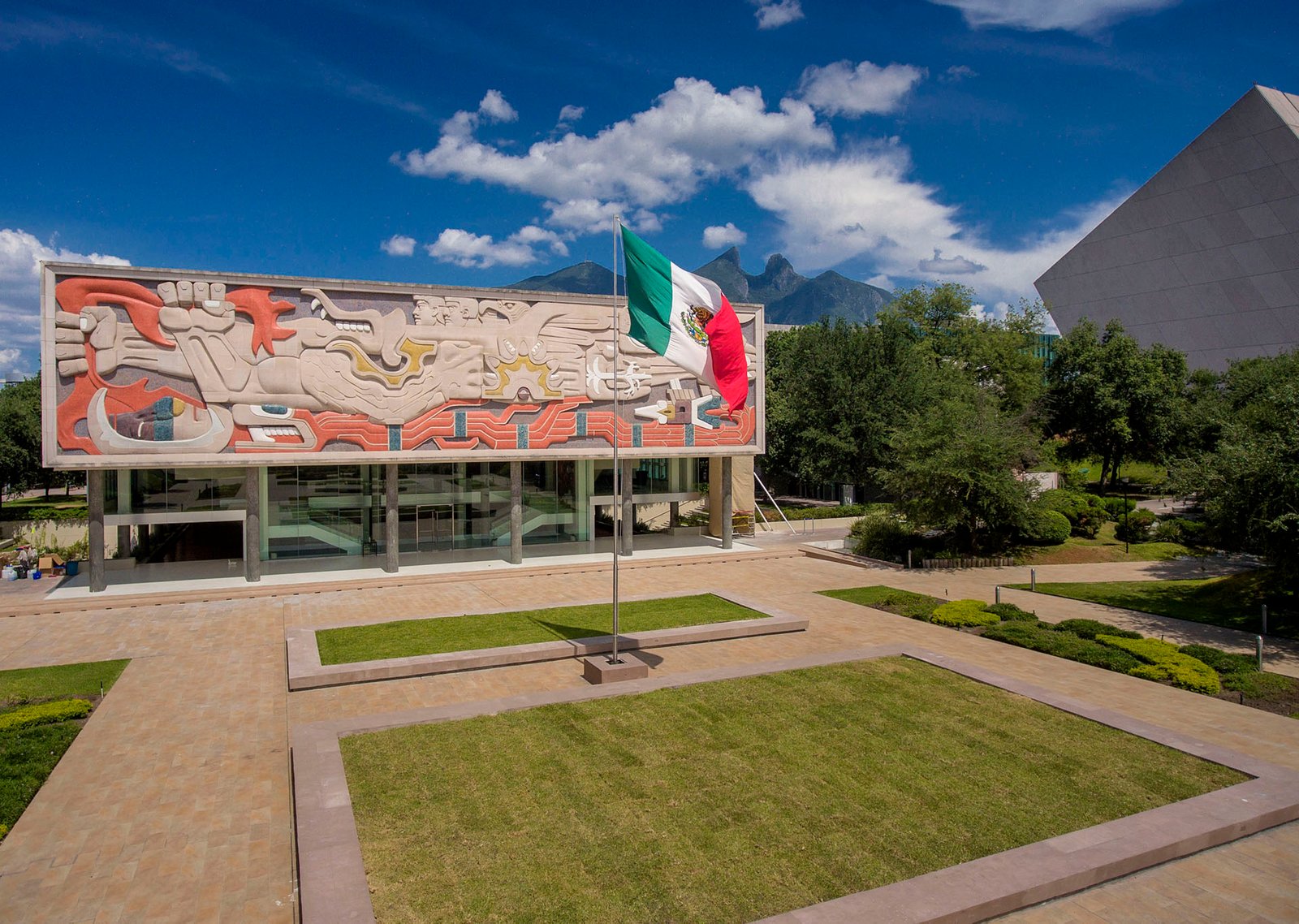
Looking ahead to 2030, Tecnológico de Monterrey envisions an internationalization process that is ever more inclusive, interdisciplinary and sustainable. Digital transformation will continue to expand opportunities for global hybrid education, allowing more students, regardless of geographic or socioeconomic context, to access high‑quality international experiences.
International cooperation will increasingly focus on tackling major global challenges in line with the United Nations Sustainable Development Goals. Internationalization will not simply be a channel for prestige or mobility but a platform for the university’s ethical and social engagement with the world.
As a central element of the 2030 Plan of the Educational Group, our “Tecnológico de Monterrey, from Mexico to the world” vision reflects our aspiration to act as a global player in higher education through international alliances, the work of our Schools and research centers, a focus on high‑impact strategic projects in collaboration with leading universities, and academic models that foster a global outlook.
The history of internationalization at Tecnológico de Monterrey is, in essence, the story of a university that understood from its origins that its mission and vision could only be fulfilled in constant dialogue with the world. Today, that global vocation is a core part of our identity and future projection, and it shows that higher education can act as a bridge between talent, innovation and social progress.
In times of rapid change and global challenges, Tec reaffirms its commitment to developing leaders with international vision, integrity and empathy, capable of building a more equitable, sustainable and human future. The future of higher education will be global, and Tecnológico de Monterrey aspires to remain one of its key protagonists.
Author: Ignacio de la Vega. Vice President for Global Affairs and PrepaTec
Tecnológico de Monterrey Educational Group

This article is available in Spanish via Nueva Revista. Click HERE.
Universidad 2026 is a publication by:
Nueva Revista
Nueva Revista is a Spanish publication dedicated to analyzing contemporary society, focusing on culture, humanities, science, art, and politics. It offers in-depth analysis and expert perspectives on topics such as higher education innovation, technological advancements, social change, and public policy. Featuring contributions from renowned academics, writers, and thought leaders, the magazine fosters critical dialogue and intellectual debate, making it a key reference for those interested in the intersection of knowledge, society, and progress.
If you’d like to read this year’s edition of University 2025 in Spanish, please click below:

In collaboration with Proeduca
PROEDUCA’s objective is to provide the best online higher education to its students and it achieves this through educational commitments at three universities: The International University of La Rioja, the Online University of Mexico (UNIR Mexico), and CUNIMAD. It also offers studies located in Peru, at the Newman Postgraduate School, and in the United States, where it has a presence through MIU City University Miami.